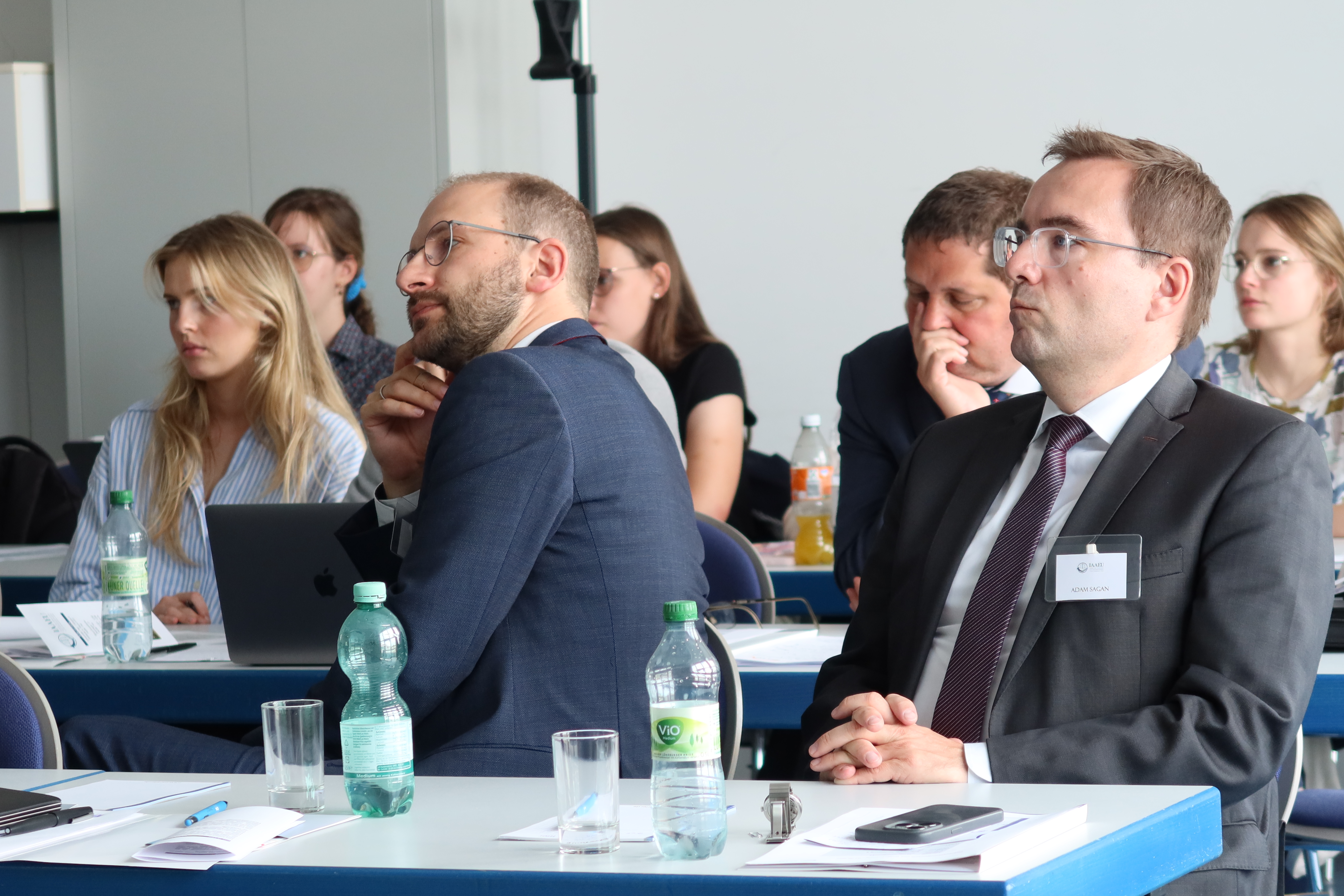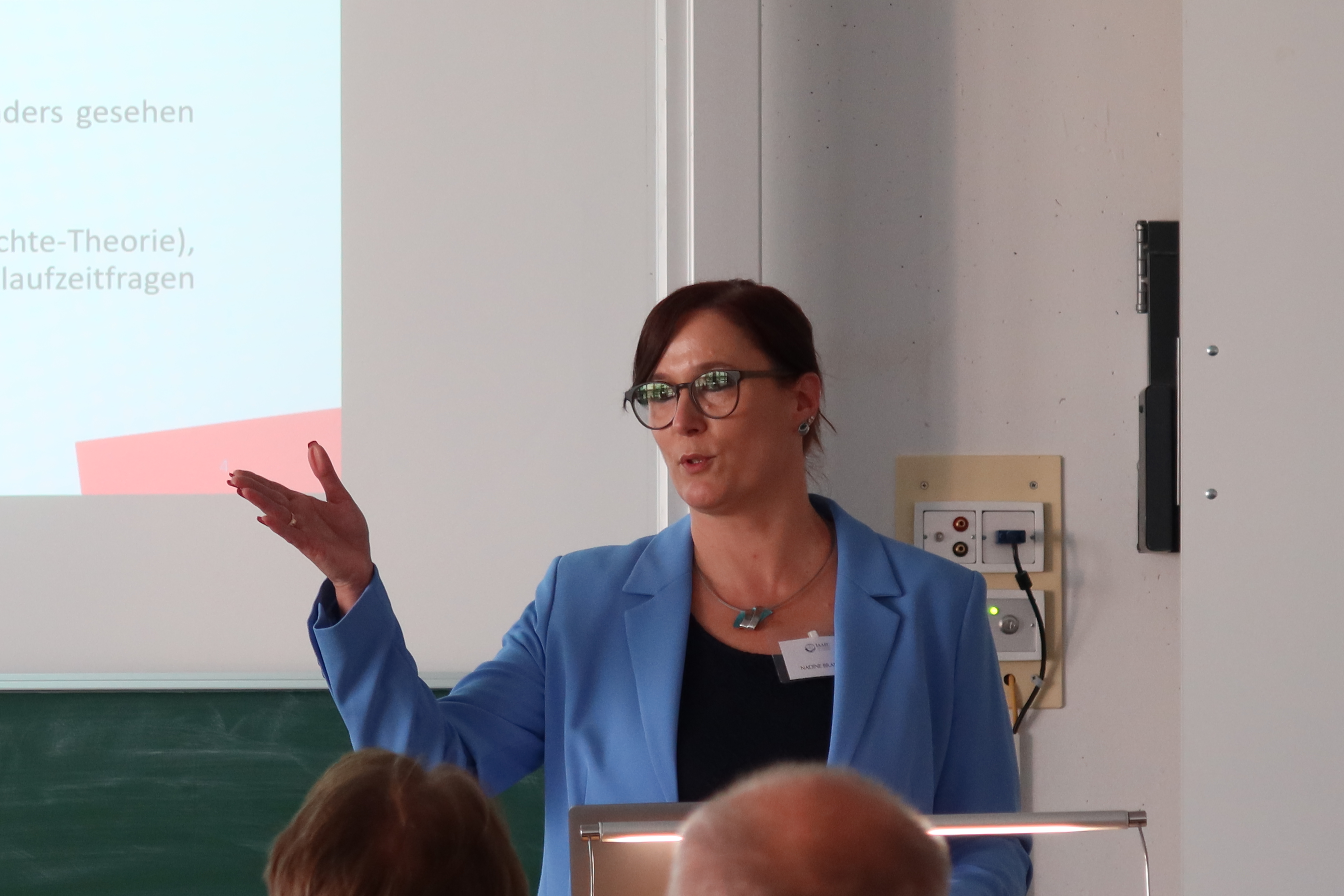
On September 3, 2025, the conference on discrimination protection and collective bargaining autonomy took place at the IAAEU in Trier. Practitioners and academics spent a day discussing the consequences of the landmark decision by the Federal Constitutional Court on the binding nature of Article 3(1) of the German Basic Law (GG) on the parties to collective agreements.
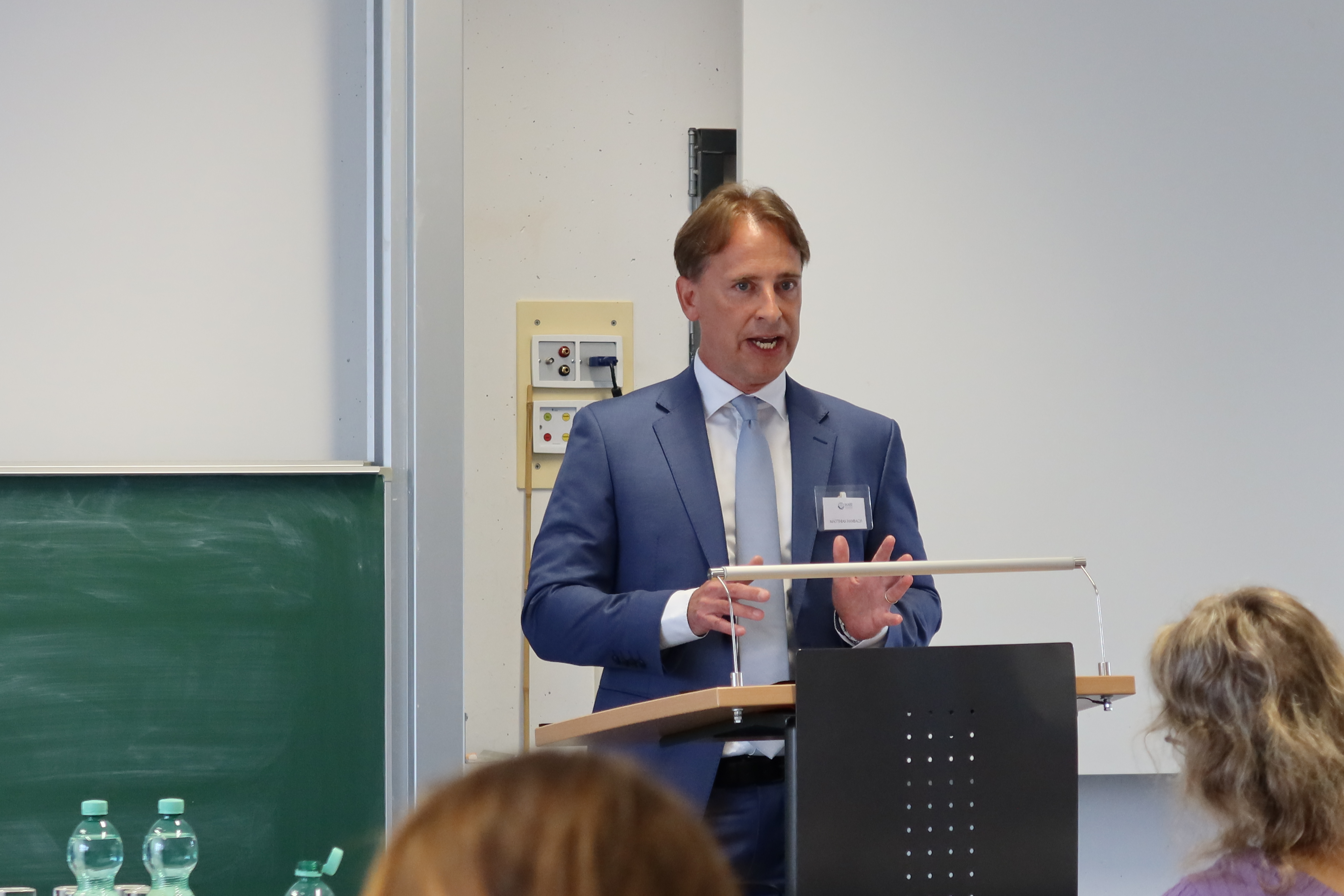
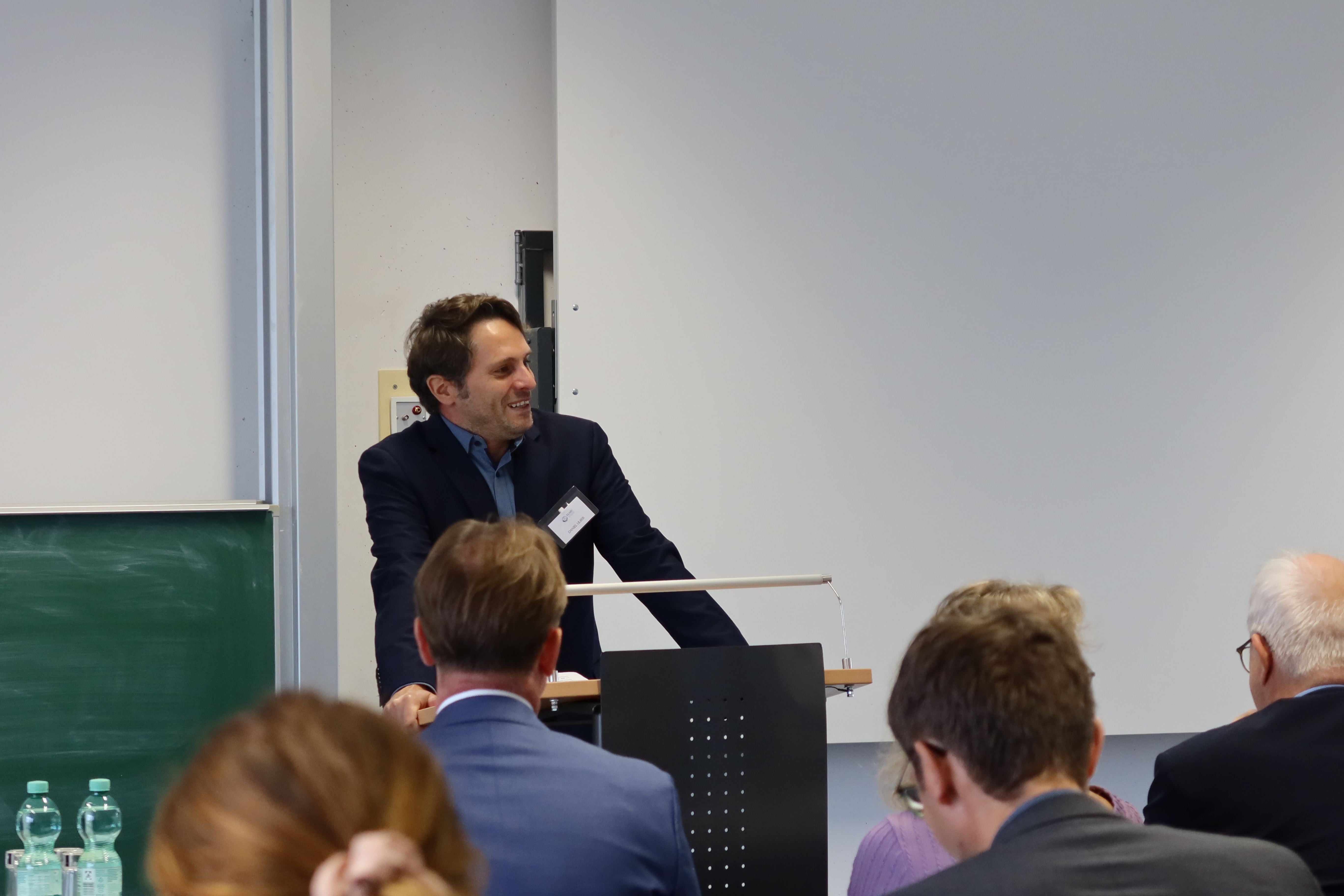
Prof. Dr. Ulber from the IAAEU and Matthias Hambach, President of the Rhineland-Palatinate Regional Labor Court, opened the conference on “Discrimination Protection and Collective Bargaining Autonomy.”
The first presentations focused on the binding nature of fundamental rights for the parties to collective agreements and the consequences of the ruling for labor court proceedings:
Prof. Dr. Wolfgang Däubler (University of Bremen, retired) spoke on the issues of the binding nature of fundamental rights for trade unions and employers' associations in setting collective bargaining standards and the consequences of the ruling for the judicial review of collective agreements.
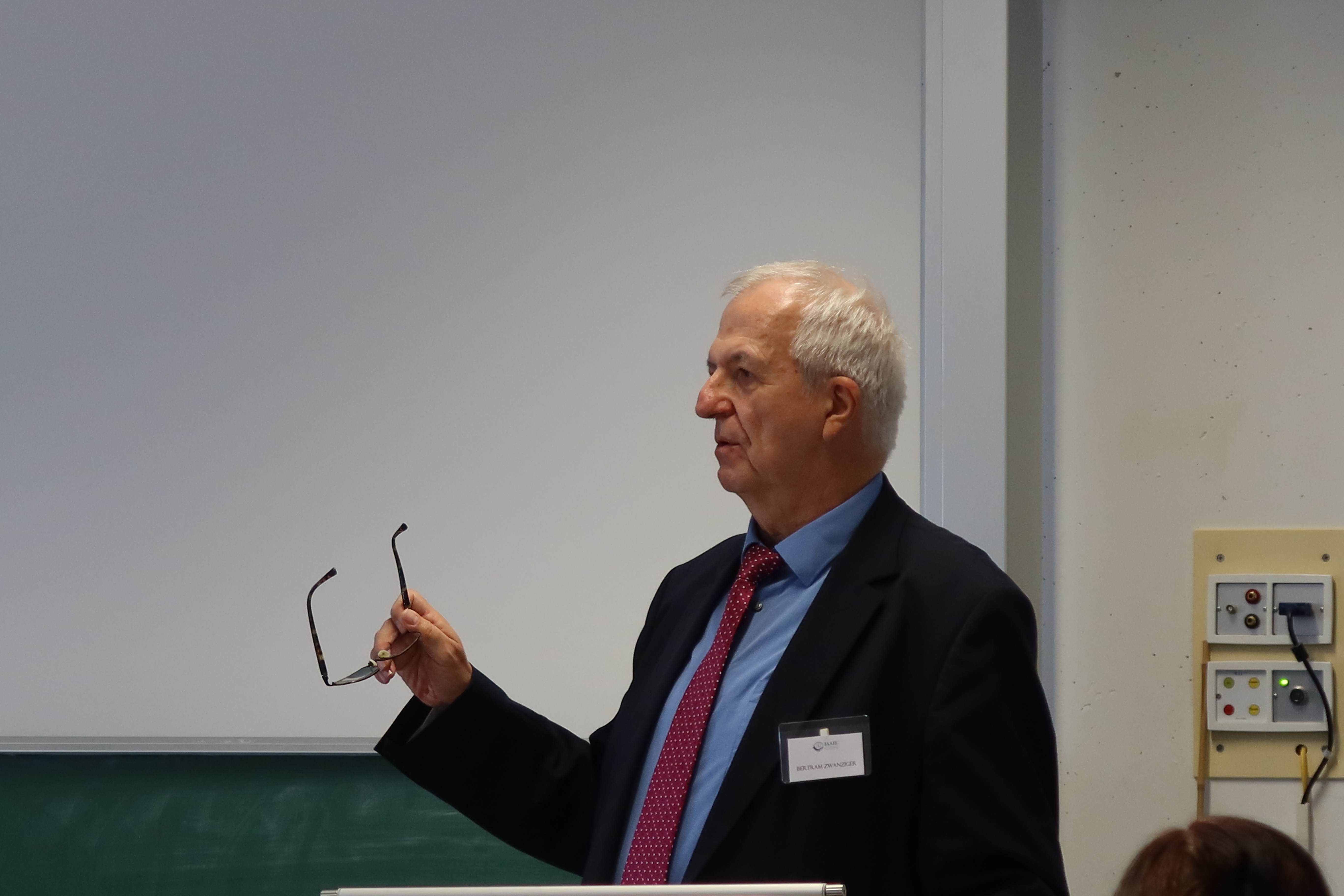
Dr. Bertram Zwanziger (former presiding judge, Federal Labor Court) analyzed the procedural consequences of the night work ruling for labor court proceedings. This reveals the abundance of procedural and practical follow-up problems that the Federal Constitutional Court leaves partly open and partly does not address at all in its ruling. Among other things, Zwanziger argued that it should be borne in mind that collective agreements may still contain arbitrary differentiations, even if the Federal Constitutional Court has tended to restrict constitutional protection. In such cases, however, suspension (“primary corrective power”) for correction by the parties to the collective agreement should in principle only be carried out by the Federal Labor Court.
Both presentations were discussed intensively, with particular focus on the question of how the requirements of the decision can be implemented in judicial practice.
The second part of the conference “Discrimination Protection and Collective Bargaining Autonomy” was devoted to discrimination protection under EU law and the perspectives of the social partners.
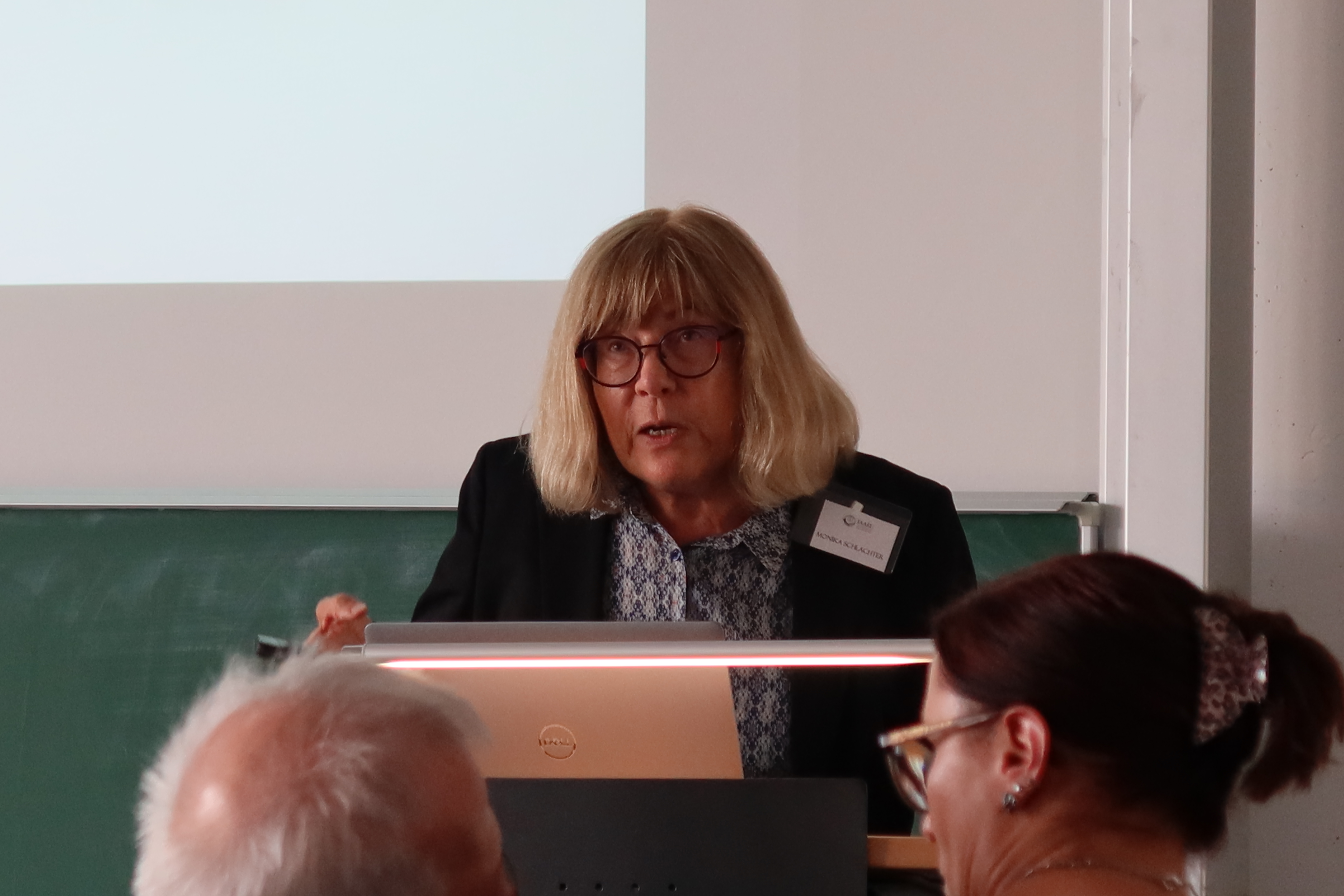
Prof. Dr. Dres. h.c. Monika Schlachter (University of Trier, retired) explained how the decision of the Federal Constitutional Court should be assessed in light of the European legal framework. She emphasized that the decision cannot be applied in the area of EU law prohibiting discrimination because this would be incompatible with the standards of review applied by the European Court of Justice. However, she argued that these standards of review could coexist.
The decision was then assessed by the social partners: Prof. Dr. Nadine Brandl (United Services Union (ver.di) Federal Administration) and Roland Wolf (BDA | Confederation of German Employers' Associations) clarified the practical implications for collective bargaining practice from the perspective of trade unions and employers. There was unanimous agreement that the Federal Constitutional Court's desire to protect collective bargaining autonomy was positive. The wording of the decision was viewed critically in some quarters. There was controversy over the assessment of the intensity of control and, in particular, the applicability of the decision in the area of prohibitions of discrimination determined by EU law.
Prof. Dr. Ulber (IAAEU) gave the closing remarks, summarizing the main points of discussion and emphasizing the importance of the topic for academia and practice. Many thanks to all participants and speakers who made their way to Trier and contributed to the exchange.